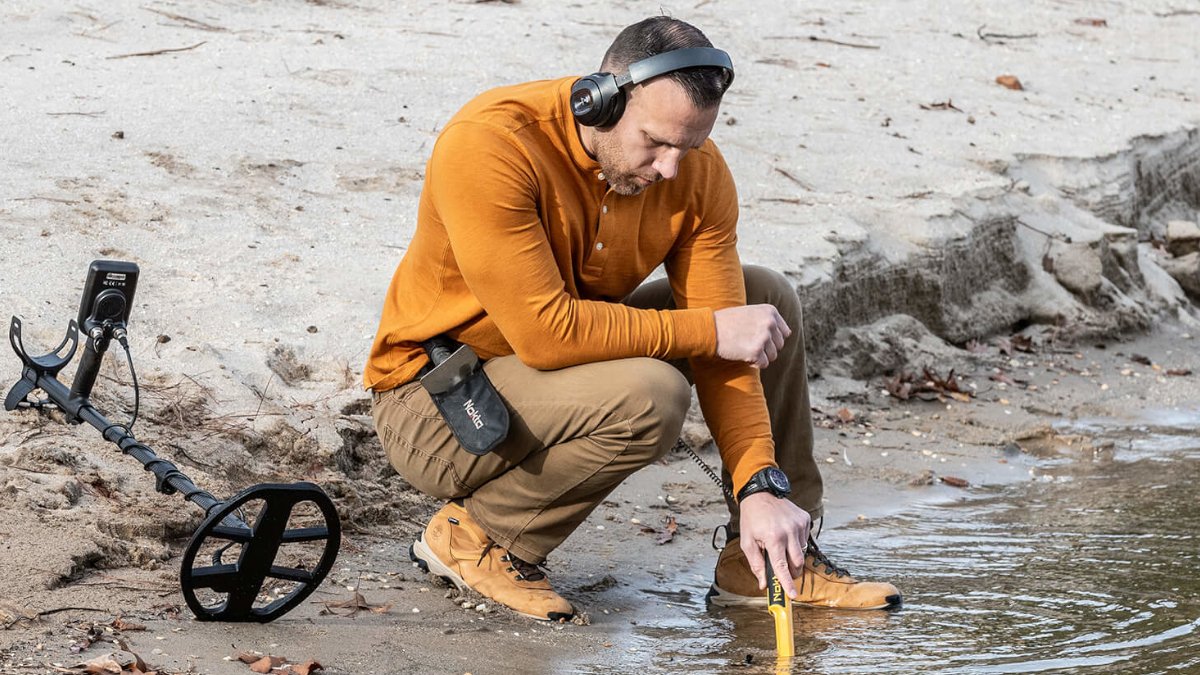
When choosing your first metal detector, you may be overwhelmed by the myriad of
types, features and other gadgets. Which type of metal detector is the best for
you? Which features are the most important? We will answer everything in this
article.
Metal detectors can be divided into two main classes based on the technology used - analog and digital.
Analog
Analog metal detectors are far simpler in terms of their function, but also the range of available features. They can be operated using ordinary rotary knobs. Compared to the digital ones, they tend to have a slightly faster response time (no signal post-processing), but this difference is rapidly decreasing to a bare minimum with the constant improvement of digital detectors. Therefore, nowadays you will come across an analog detector very rarely.
Digital
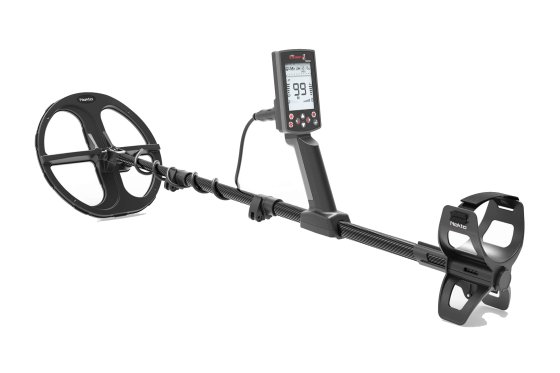
Today, digital metal detectors are on the rise for several reasons. They offer tons of possible features allowing you to find specific types of metal far more easily, their controls are pretty user-friendly thanks to the intuitive LCD displays combined with push buttons, and last but not least, you don't have to invest a several months' pay for them anymore. That is why you will only find digital metal detectors on our website.
By Design
Metal detectors are designed very differently to suit specific purposes.
STANDARD DETECTOR
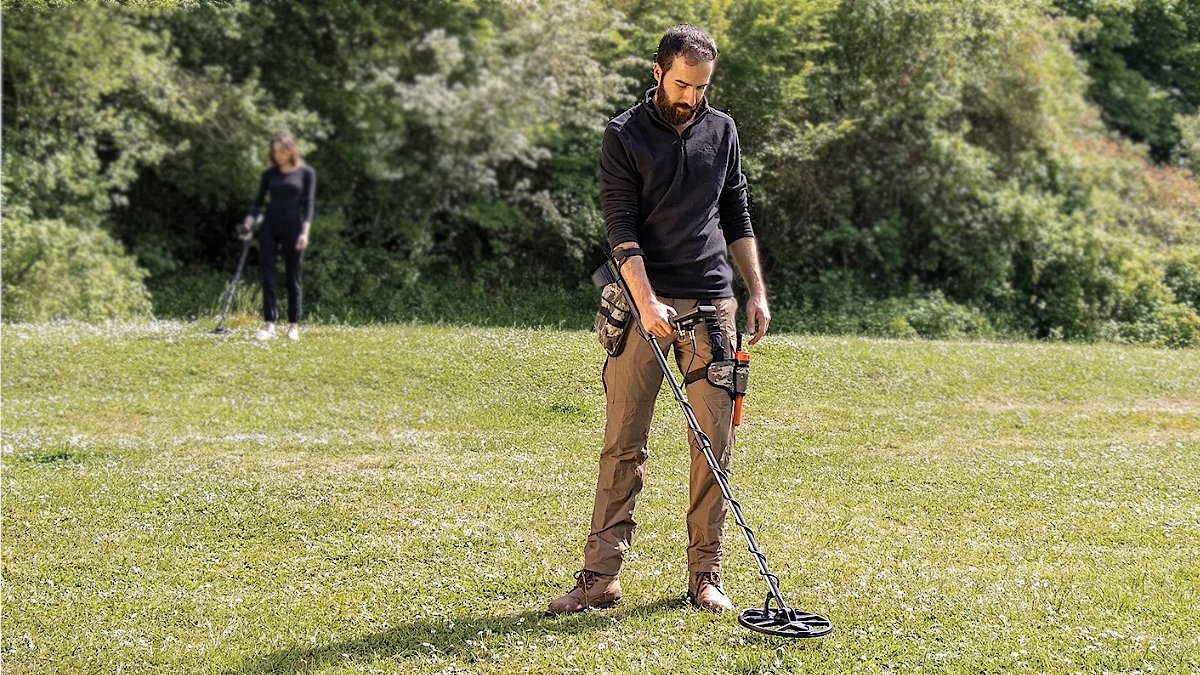
When you hear the term "metal detector", you probably imagine a device with a handle and a long shaft equipped with a flat round coil at the end, kind of looking like a string trimmer. These detectors are the most common due to their versatile use - you can use them to find hidden treasures, old coins, gold deposits or lost jewellery.
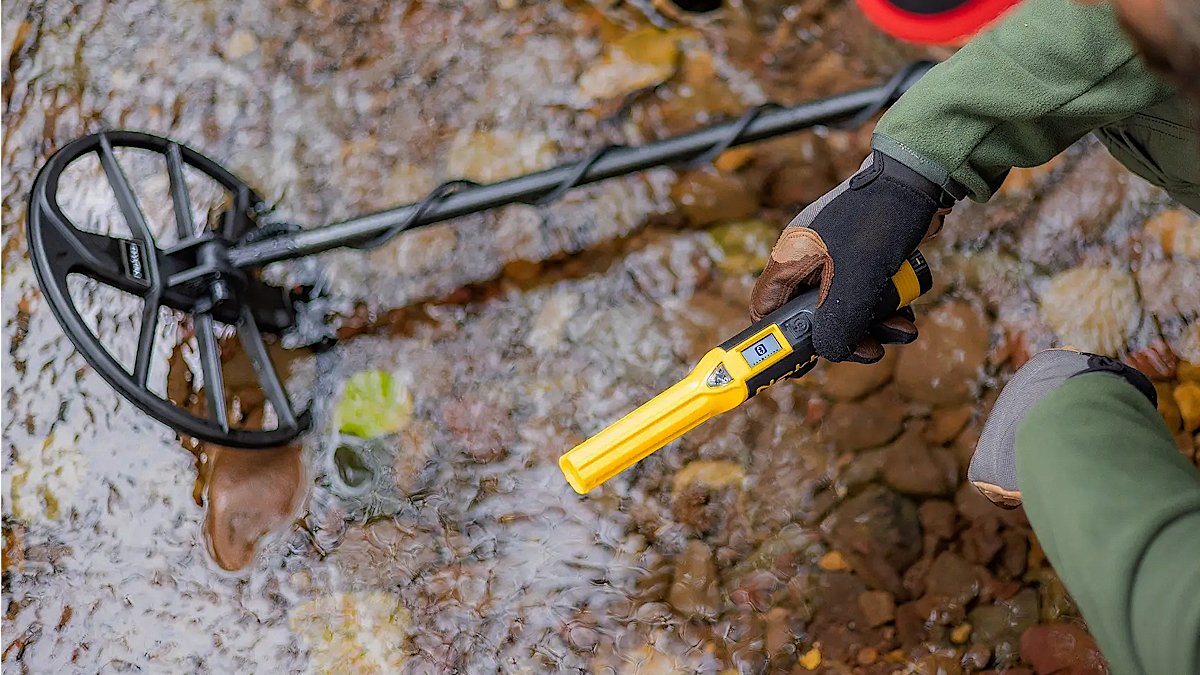
These handheld metal detectors, called "pinpointers", are a lot smaller. They consist of a handle and a simple pointy coil. They serve as a secondary detector in combination with the standard one. With the latter, you will first locate the approximate position of the object, and the pinpointer with a smaller range will tell you the exact spot where your find is.
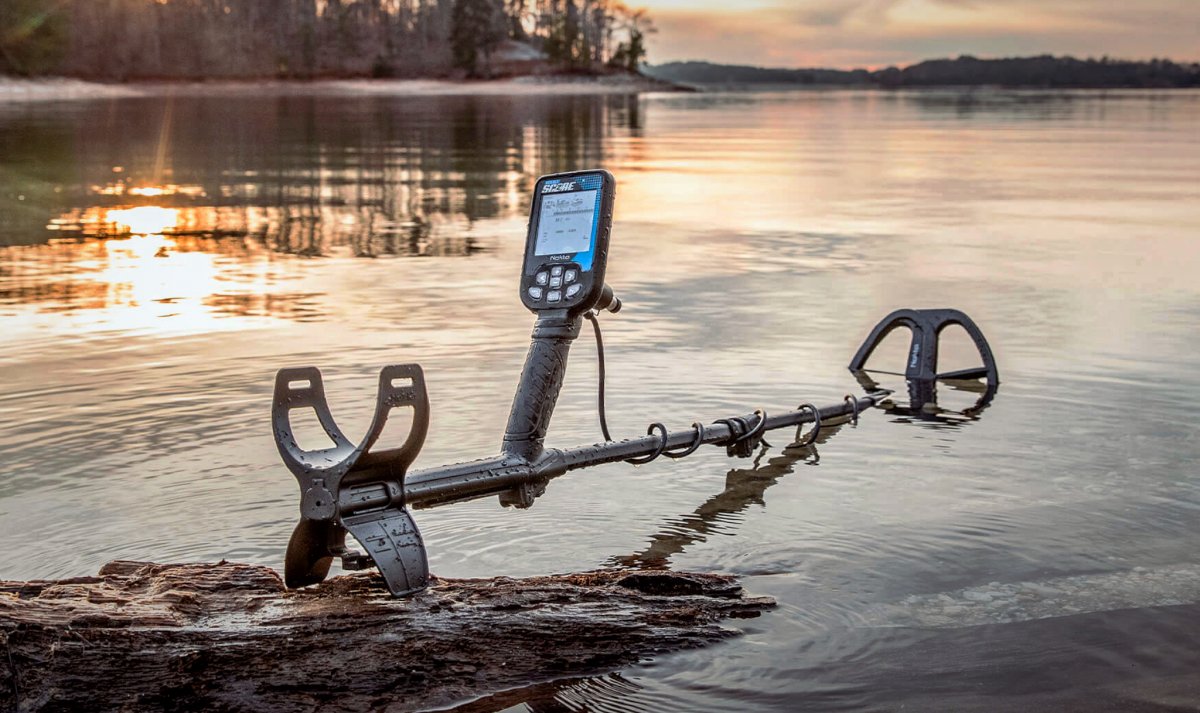
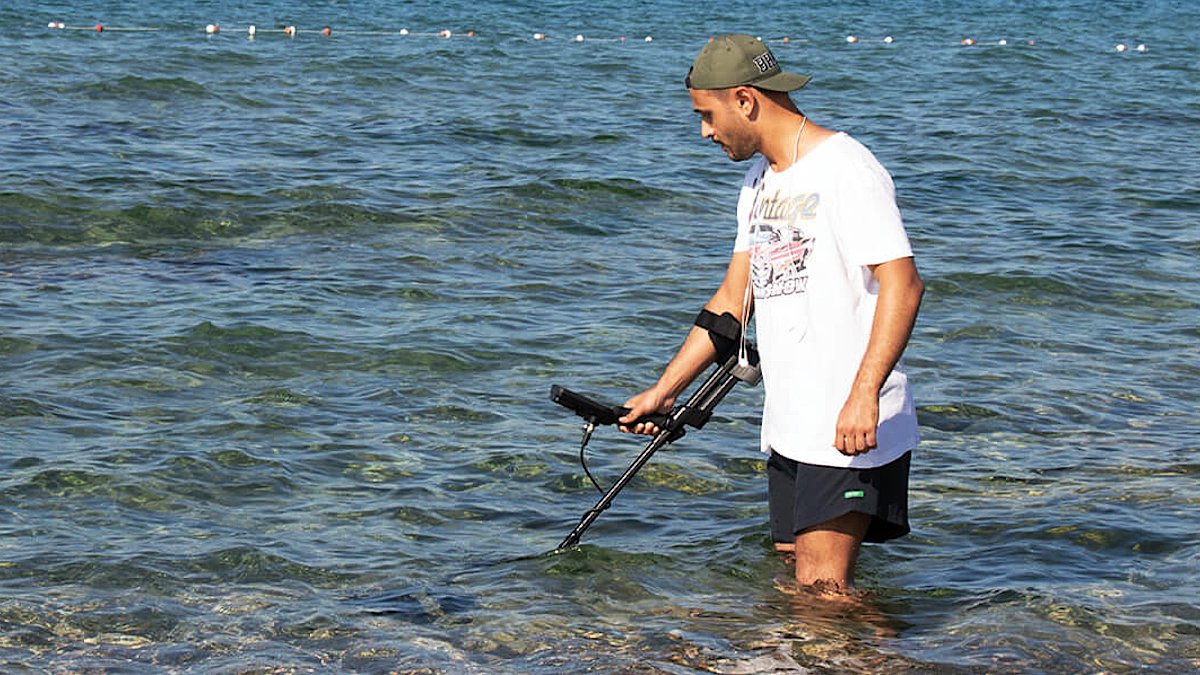
This type is a hybrid of a standard and a pinpointer detector. It consists of a simple handle connected to a circular coil. Of course, it has to be as waterproof as possible. Due to its underwater application, it utilizes vibration signal and some models can also be converted into a pinpointer.
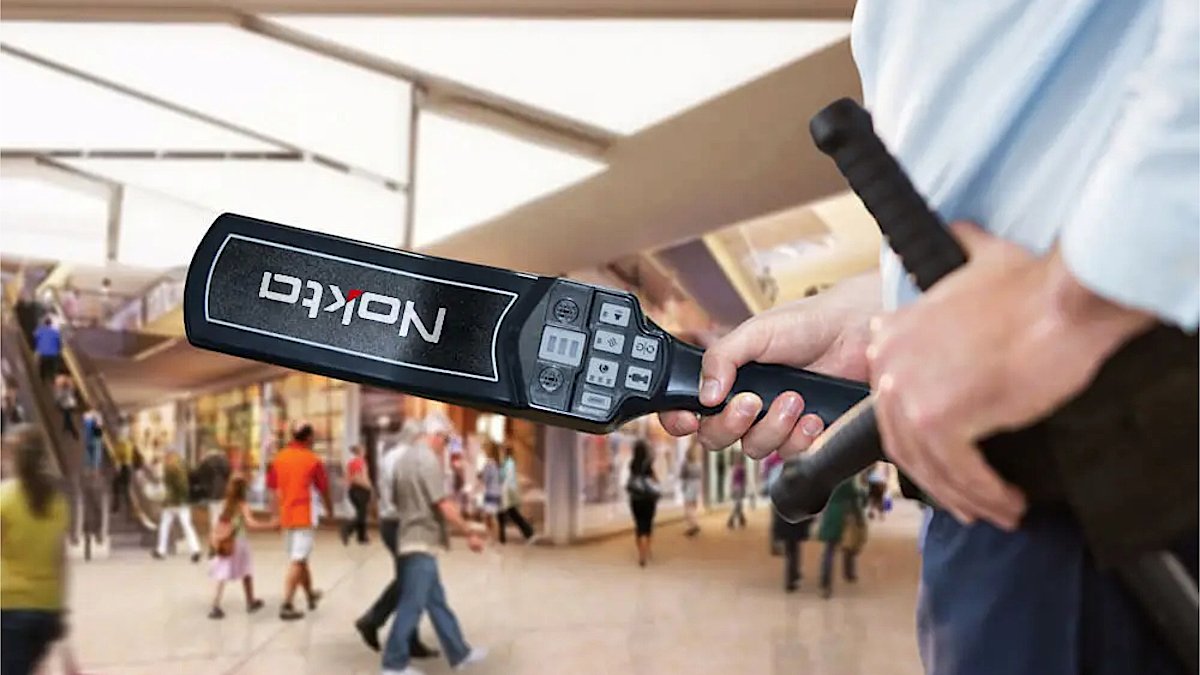
These detectors are not designed for finding treasure, but for identifying concealed dangerous objects on people. They are usually used by various security services at airports and similar public or private spaces. Due to their purpose, they do not require much range or tons of features.
In Stock 2 pcs,
estimated delivery:
October 14 - 16.
€ 160.1
FEATURES AND FUNCTIONS
Now we will focus on the standard metal detectors and the key features and functions you should keep in mind when choosing one.
Frequency
The most crucial parameter necessary for the correct working of the detector. Depending on the type of object you're looking for, you need to set the correct range of frequency. The higher the frequency, the finer the treasures you are able to find. Some detectors also offer a Multi Frequency mode, which utilizes several frequencies at once, increasing the chance of finding something.
Discrimination
On the contrary, if you are bothered by finding junk or undesirable objects all the time, you can "discriminate" - ignore them. Therefore, if you don't want to detect every single metal nail or bottle cap in the area, just set up discrimination based on the type of metal.
Search mode
Many modern detectors feature a number of search modes based on the environment you are in (e.g. park, field or beach). Each mode is optimized for providing the best results in given environment and is set to a different frequency range. Some detectors even feature a specific mode for searching for gold in highly mineralized areas.
Did you know...
No metal detector has an absolute maximum range. It always comes down to the soil type and the size and conductivity of the object. You can detect a small piece of jewellery in mineralised soil only at a few centimetres, but a large, metal chest in dry, airy dirt can be detected at more than half a metre.
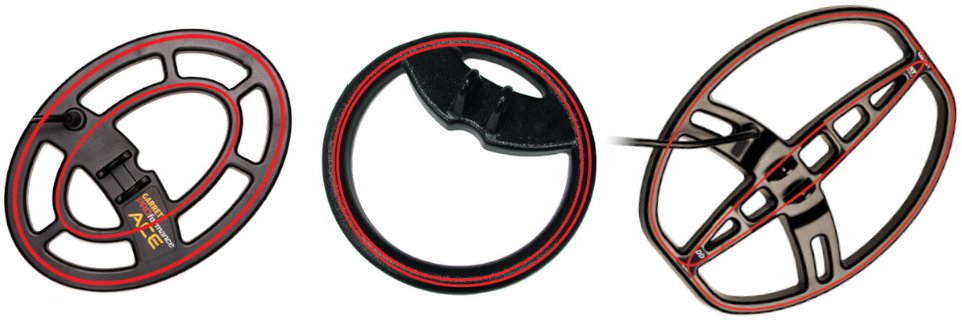
From left: Concentric, Mono and DD coil
Search coil - type and size
The search coil is the most important part of every metal detector. That's why it is essential to pick the most suitable one for given conditions. Larger coils are ideal for clean, empty fields without trash, smaller coils are more accurate and do not register as many unwanted objects.
They are further divided into Concentric Coils (maximum depth range and coverage), Mono Coils (similar range and coverage, poorer performance in mineralized soil) and DD Coils (works best in mineralized soil, but requires larger coil size to achieve the same performance).
Water resistance
If you're a passionate treasure hunter, you'll certainly appreciate the detector being waterproof. After all, it is a relatively expensive device and it would be a waste to damage it like this. Nowadays, metal detectors from the top brands are waterproof down to several meters, so you don't have to worry about getting wet.
Weight and comfort
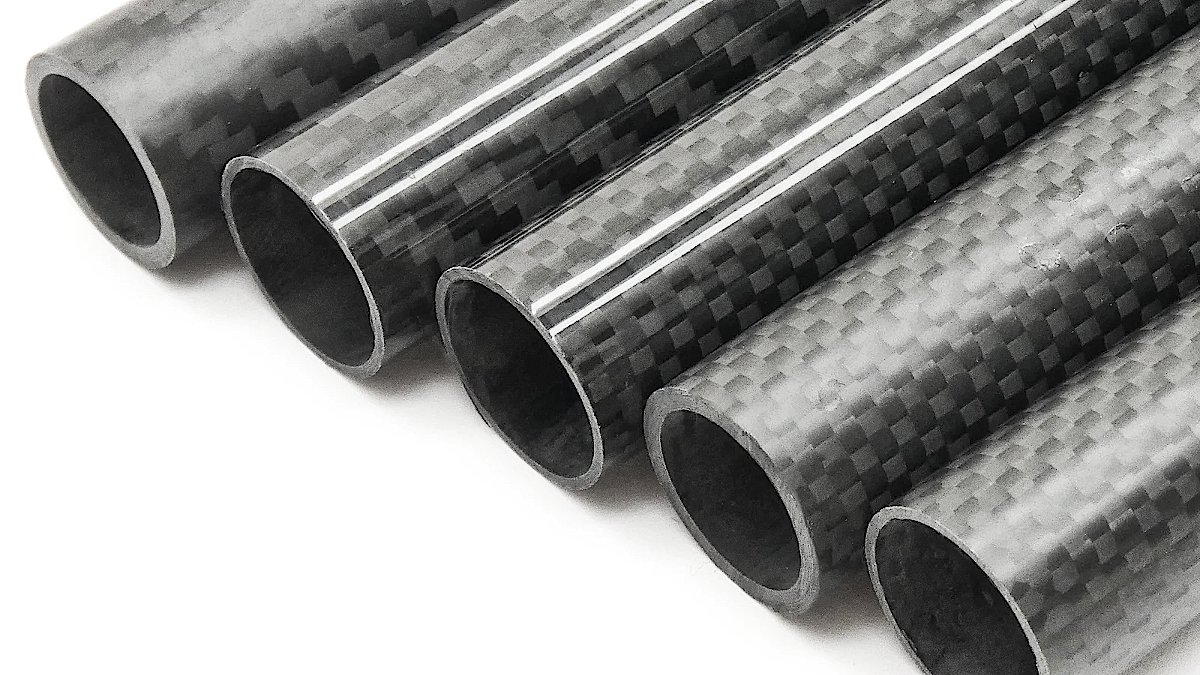
Not to forget about your comfort. The larger the coil and the more robust the detector, the heavier it gets. With prolonged use, this can lead to back and arms fatigue. The manufacturers often solve this problem with lightweight plastic construction and carbon fibre shafts.
Headphones
To avoid disturbing your surroundings with a loud audio signal, you can connect your detector to wired or wireless headphones. This saves some of the detector's battery, reduces ambient noise and makes it easier to detect the most subtle signals. Many detectors on our website come complete with headphones.
CONCLUSION
Picking the right metal detector can be a bit tricky. Hopefully, this article has shed some light on how detectors are classified, what you can expect from them and, most importantly, what features to look for when choosing one.
Looking for gold deposits or small jewellery? High frequency detectors are your friend.
Planning to search for all kinds of objects? Check out Multi Frequency detectors. The manufacturer Nokta calls it SMF (Simultaneous Multi Frequency), Minelab calls it Multi-IQ, but it's the exact same thing.
Together with a metal detector, you may also consider getting a comfortable and spacious backpack, a shovel to dig up the treasure, a flashlight or headlamp for night searching, or thermal underwear for being prepared for all weather conditions.
Ever since I was a kid I've been interested in everything that shoots, cuts, drives fast and makes noise. My hobbies include graphics, 3D printing, origami, gardening and playing videogames. As of 2023, working at Balistas, I create product description, write articles, take photos for banners and social media, and run 3D printers.
The first breath of cold Autumn air can surprise you any time. That's why
it's best to always have high-quality and comfortable clothing at hand,
especially if you're into outdoor activities. And since we certainly fit into
this group, we've decided to share our new find with you – the Remington
clothing brand.
Handy helpers for work activities, outdoor adventures, sports or evening
fishing. Today's headlamps and flashlights are very portable and the higher
quality ones last a long time. Find out how to make the right choice.
Combat knives need to be penetrating. Folding tools are good for hiking. And
survival expeditions require a knife that can cut through difficult terrain.
Simply put – the right knife is the one that suits your intended purpose.
Cookies on this website are used to personalise content and ads, provide social media features and analyse traffic. In addition, we share information about your use of the website with our social media, advertising and web analytics partners, who may combine it with other information you have provided to them or that they have collected from your use of their services.
Cookie Preferences
Essential cookies to keep the site up and running
Essential cookies help make the website usable by enabling basic functions such as site navigation and access to secure areas of the website. Without these cookies, the website cannot function properly.
Preference cookies to save your settings
Preference cookies allow a website to remember information that changes the way a website behaves or looks, such as your preferred language or the region you are in.
Analytics cookies so we can improve the website
Analytics cookies help website owners understand how visitors interact with the website by collecting and reporting information anonymously.
Marketing cookies so you don't receive advertising you're not interested in
Marketing cookies are used to track visitors across websites. The intention is to display advertisements that are relevant and engaging to the individual user and thus more valuable to publishers and third-party advertisers.